

Leadership in Pakistan, especially in Karachi’s busy corporate and entrepreneurial world, is often seen as a race—long hours, endless meetings, and constant pressure. Many people think burnout is a personal weakness, something leaders should “control” with more discipline. But the truth is much deeper. Burnout is not just about individuals; it’s about the system and culture of workplaces.
In Karachi, where businesses—from textile mills in SITE to tech startups in Clifton—are growing fast, leaders face unique challenges. Long commutes, family responsibilities, and unstable economic conditions make resilience and rest more important than ever. If we want strong leaders for Pakistan’s future, we must rethink how ambition, rest, and community are built into our workplaces.

Ambition Needs Autonomy (خود مختاری ضروری ہے)
There’s a myth that women in Pakistan’s workforce are becoming less ambitious. This is simply not true. Ambition hasn’t disappeared—it has changed shape.

Young professionals in Karachi, especially women balancing family and career, want ambition on their own terms. For example, Sara Ahmed, a project manager at a Karachi‑based solar energy firm, explains:
“Ambition for me is not just about promotions. It’s about having control over my day—being able to attend my daughter’s school event and still deliver results at work.”
This shows that ambition today is about autonomy—the freedom to design workdays that fit both personal and professional goals.
When companies in Pakistan allow flexible schedules, they don’t lose productivity. In fact, they gain loyalty and stronger performance. Flexibility is not a favor; it’s a business necessity.
Think about it: if a Karachi firm lets employees adjust hours during Ramadan or school exam seasons, they build trust. That trust translates into better results, because people feel respected.
Rest Is a Leadership Tool (آرام کمزوری نہیں، طاقت ہے)
In Pakistan, many managers still believe that “long hours mean hard work.” But science and experience prove otherwise. Rest is not laziness—it’s a strategic tool.

Ayesha Khan, a senior executive at a Karachi advertising agency, recalls:
“I reached a point where I was so exhausted I couldn’t think clearly. The solution wasn’t more effort—it was scheduling quiet time in my day. That pause gave me fresh ideas.”
This is powerful. Rest fuels creativity. Sleep regulates emotions and strengthens memory. Without rest, leaders make poor decisions.
In Karachi’s corporate culture, where late‑night meetings and weekend calls are common, normalizing rest could transform workplaces. Imagine if companies encouraged leaders to block 30–60 minutes of “thinking time” daily. That simple act could spark innovation.
Science backs this up: REM sleep helps regulate emotions. A sleep‑deprived leader is not just tired—they are impaired. For Pakistan’s growing industries, impaired leadership is a risk we cannot afford.
Building Intentional Communities (کمیونٹی کی طاقت)
Leadership can be lonely. In Karachi, many executives feel isolated, especially women who may not have peer networks outside their firms. That isolation erodes resilience.
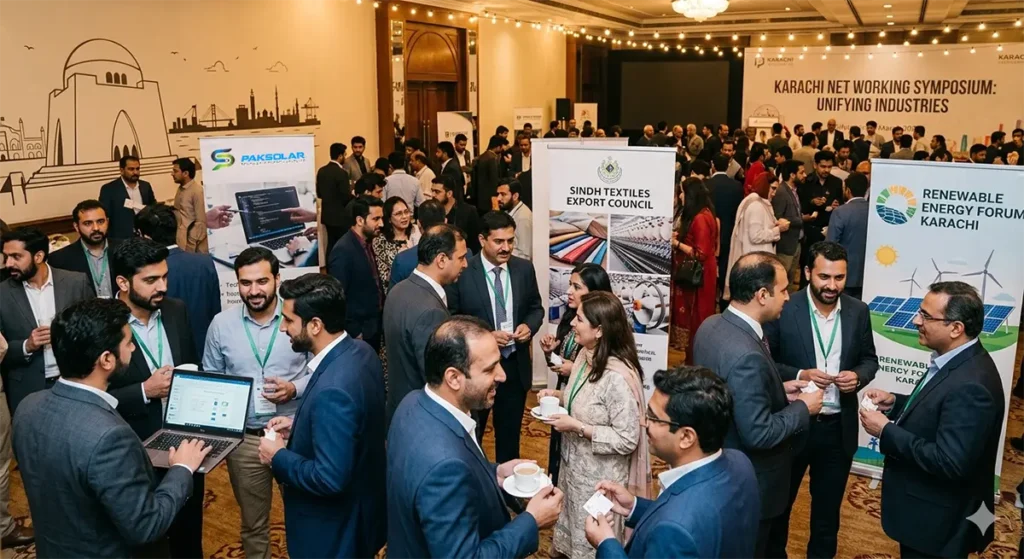
The next era of leadership in Pakistan must prioritize community. Leaders need spaces to share challenges, exchange ideas, and support one another.
This could be through:
- Professional associations like Marketing Association of Pakistan (MAP)
- Women’s leadership circles in Karachi
- Industry meetups for tech, textiles, and energy sectors
When leaders connect, they gain empathy and clarity. They realize they are not alone. This intentional community strengthens resilience and helps leaders navigate uncertainty.
Why This Matters for Karachi’s Youth
Now, let’s bring this down to a level that even grade 10–12 students can understand. Imagine you are the captain of your school cricket team. If you play every day without rest, you’ll get tired, make mistakes, and maybe even quit. But if you rest, eat well, and talk to your teammates, you’ll play better and last longer.
Leadership in companies is the same. Leaders are like captains. They need rest, support, and teamwork. Without these, they burn out. With them, they thrive.
So, for Karachi’s youth dreaming of becoming future leaders, remember:
- Ambition is good, but it needs freedom.
- Rest is not weakness—it’s strength.
- Community makes leadership sustainable.
Practical Takeaways for Karachi Leaders
Here are some simple, actionable steps:
- Block White Space: Reserve 30–60 minutes daily for quiet reflection. Use it to think, not just to work.
- Respect Flexibility: Allow employees to adjust schedules during Ramadan, Eid, or family events.
- Build Peer Networks: Encourage leaders to join associations or informal circles.
- Normalize Rest: Remind teams that sleep and downtime fuel creativity.
- Teach Youth Early: Schools and universities should teach resilience alongside academics.
Cultural Context: Why Pakistan Needs This Shift
In Pakistan, especially Karachi, leadership is often tied to sacrifice—long hours, missed family events, and constant stress. But this model is unsustainable.
Our culture values community and family. Leaders who embrace these values—by respecting flexibility and rest—align better with Pakistani traditions. They show that leadership is not about isolation, but about balance.
For example, a textile firm in Korangi that allows flexible hours during Ramadan not only respects faith but also boosts productivity. Employees feel valued, and leaders avoid burnout.
Convincing the Skeptics
Some may argue: “Rest will make people lazy.” But let’s look at evidence:
- Companies that encourage rest see higher innovation.
- Leaders who sleep well make better decisions.
- Communities that support leaders reduce turnover costs.
In Karachi’s competitive market, where retaining talent is critical, ignoring rest and resilience is a mistake.
Final Thought
The future of leadership in Pakistan, especially in Karachi, is not about grinding harder. It’s about building cultures where ambition is supported, rest is respected, and community is prioritized.
Leaders who embrace resilience aren’t just protecting themselves—they’re shaping workplaces that thrive in Pakistan’s dynamic environment.
So whether you’re a student dreaming of leadership, a young professional starting your career, or a senior executive in Karachi’s corporate world, remember: Rest and resilience are not optional—they are the foundation of sustainable success.
![INTRODUCTION My first blog post got 11 visitors. Seven were me (checking from different devices). Two were my wife. One was my partner. And one was a random person from India who clicked a wrong link. I thought I had failed. I had read all the get 100,000 visitors in 30 days articles. I had implemented their advice beautiful images, perfect formatting, social media sharing buttons, email popups. Nothing worked. Then I realized something embarrassing I was trying to get traffic from people who didn't know I existed. You can't drive traffic to a blog that no one knows about. That's like trying to drive customers to a shop in a desert. So I stopped following the gurus. I stopped obsessing over viral strategies. I stopped tweeting my posts into the void. And I did one thing that actually worked. Within 90 days, I crossed 1,000 monthly visitors. Within 6 months, 5,000. Today, I average 15,000+ per month. Here's exactly what I did — and what you can copy starting today. THE TRUTH No One Cares About Your Blog Until You Give Them a Reason Here's what the traffic gurus won't tell you The internet is already full of content. Millions of new blog posts every day. Yours is invisible until you put it in front of someone who has a specific problem. Build it and they will come is a movie quote. Not a marketing strategy. The hard truth For your first 1,000 visitors, you cannot rely on Google. Your blog is too new. Google doesn't trust you yet. You need to go where your readers already are. Not to sell. To help. Let me show you exactly how. HERE'S WHAT ACTUALLY WORKS The 3-Channel Strategy I tried 12 different traffic methods. Only 3 worked for the first 1,000 visitors. Here they are. Channel #1 Answer Questions Where Questions Are Being Asked (40% of first 1,000 visitors) This was my #1 source of early traffic. The method Find people asking questions in your niche. Answer them helpfully. Include a link to your blog post that answers the question more thoroughly. Where to find questions Platform What Works What to Avoid Facebook Groups Niche groups (solar Pakistan, SEO beginners, etc.) Posting links without answering first Reddit Subreddits like rPakistan, rsolar, rBlogging Self-promotion without value Quora Questions with 500-5,000 views (not too popular, not dead) Copy-pasting same answer everywhere WhatsApp groups Your own network, industry groups Spamming (ask permission first) Real example from my blog I found a Facebook post in a Pakistan solar group. A customer wrote My on-grid solar stops working during load shedding. Is my system defective I replied Your system is not defective. On-grid systems are designed to shut down during grid failure for safety (anti-islanding). Here's a detailed guide I wrote explaining why and what you can do instead [link] That one reply Helped the original poster Got 23 likes and 8 comments 5 other people messaged me privately with questions 3 of them became blog readers 1 became a PAKSOLAR customer The key Answer first. Add value. Then share the link as more detail, not as the main answer. Do not Post just the link with read this. That's spam. Channel #2 Write One Post That Solves One Specific Problem for One Specific Person (30% of first 1,000 visitors) Early on, I was writing Ultimate Guides. 3,000 words. Everything about solar. Overwhelming. No one read them. The shift I started writing for one person with one problem. Bad title (too broad) Complete Guide to Solar Energy Good title (specific) Why Your Solar Inverter Shows 'Battery Low' at 80% (And What to Do) Why this works When someone searches that exact problem, they find your post. They don't care that your blog is new. They care that you solved their problem. My process for finding specific problems Go to Facebook groups Reddit in your niche Sort by new (not popular) Find questions that are unanswered or poorly answered Write a post answering that exact question Go back and reply to the original question with your link Example from my blog Someone asked My solar panels are generating only 30% of rated power. Installer says normal. Is that true I wrote a 1,200-word post explaining temperature losses, dust factor, and wiring losses. Included actual calculation. Showed why 70-80% of rated power is normal for Karachi summers. That post now ranks on Google first page for solar panel low generation problem. But early on I got traffic from sharing the link back to the person who asked. They thanked me. Others saw the answer. They visited too. Channel #3 Email Your Network (20% of first 1,000 visitors) This is obvious but most people skip it because it feels awkward. Your personal network includes Friends and family (10-50 people) Former colleagues (20-100 people) Existing customers (if you have any) LinkedIn connections (100-500 people) I sent a simple email Hey [name], I started a blog sharing what I've learned about solar (and sometimes SEObusiness). If you're ever curious about how solar actually works — without the sales pitch — you might find it useful. Here's the link dotcrush.com. If not, ignore this. No hard feelings. - K Results from 47 emails 22 visited the blog 9 subscribed 3 shared a post with someone else 0 unsubscribed (because I only emailed once) The key Send one email. Not weekly. Not monthly. One. Ask for nothing except a visit. What Did NOT Work for First 1,000 Visitors (So You Don't Waste Time) Let me save you months of frustration. Strategy Why It Failed TwitterX No organic reach without existing followers Instagram SolarSEO content doesn't perform well there (visual platforms need different content) SEO (organically) Google sandbox for new sites = 4-6 months before ranking Pinterest Wrong audience for technical content Paid ads Too expensive for 1,000 visitors ($200-500) Blog commenting Spammy, low quality, no real traffic Medium republishing Duplicate content risk, low conversion to your domain Focus only on the 3 channels above until you hit 1,000 monthly visitors. Then expand. REAL EXAMPLE My First 1,000 Visitors Breakdown Here's exactly what my traffic looked like the month I crossed 1,000 visitors. Month 6 (crossed 1,004 visitors) Source Visitors What I Did Facebook Groups 412 Answered 15-20 questions per week Direct (links from my answers) 287 People clicked from Quora, Reddit, WhatsApp Google Search 189 Some posts finally ranking on page 2-3 Email (my one blast) 68 47 emails sent, 68 visits (people forwarded) Referral (others sharing) 48 People who liked my answers shared Total 1,004 — Time taken 6 months Posts published 14 Hours spent helping on FacebookReddit ~3 hours per week Money spent on promotion 0 rupees The key insight 700 of my first 1,000 visitors came from me going to where readers already were and helping them. Not waiting for Google to find me. COMMON MISTAKES Mistake #1 Posting Links Without Context Bad Check out my new blog post [link] Good Great question. Here's what I've learned about this. [2-3 sentences of actual answer]. I wrote a detailed guide with examples here if you want to read more [link] Mistake #2 Giving Up After 3 Months Most blogs fail because people stop publishing after 8-10 posts. They expect traffic. It doesn't come. They quit. What I did Committed to 6 months with zero expectations. After 6 months, I evaluated. Not before. Mistake #3 Writing What You Want, Not What People Are Asking I wanted to write about future of renewable energy in Pakistan. No one was searching for that. No one was asking that in groups. What I do now I write what people are asking today. The future post can wait until I have an audience. FAQs Q How many posts should I publish before expecting traffic A At least 15-20. My first 5 posts got almost no traffic. Posts 10-15 started getting small trickles. Posts 15-20 is when Google started noticing. Q Should I focus on one niche or write about multiple A One niche until you hit 5,000 monthly visitors. My blog is solar + business + SEO — but that's three related niches (all helping people solve problems). Don't mix solar with cooking or fashion. Q How long should each post be for a new blog A Minimum 1,200 words. Maximum 2,500. Shorter won't rank. Longer takes too long to write when you need volume. Q Do I need a newsletter from day one A Yes. Setup is free (Mailchimp has a free tier up to 500 subscribers). Add a simple form Get new posts by email. Don't offer lead magnets yet. Just collect emails. YOUR ACTION STEP This week, do these four things Join 3 Facebook groups in your niche. Read for 2 days before commenting. Find 5 unanswered questions in those groups. Answer each with 2-3 helpful sentences. Write one blog post answering the most common question you saw. Send one email to 20-30 people you know, sharing your blog. Keep it humble. That's it. Do this every week for 60 days. You will hit 1,000 visitors. Download my free 90-Day First 1,000 Visitors Tracker (spreadsheet to track your questions answered, posts published, and traffic sources) [Link to lead magnet PDF] CLOSING You don't need a massive budget. You don't need thousands of followers. You don't need to be an SEO expert. You need to help real people with real problems. One answer at a time. One post at a time. My first visitor was my wife. My 1,000th visitor was a stranger from Lahore who found my Facebook answer about solar inverters. He later became a customer. Then a friend. Then someone who sent me three referrals. That's how it grows. Slowly. One person at a time. Start today. Don't wait for your blog to be ready. It will never feel ready. Just publish. Then help. Then repeat.](https://www.dotcrush.com/wp-content/uploads/2026/04/My-first-blog-post-got-11-visitors-150x150.png)